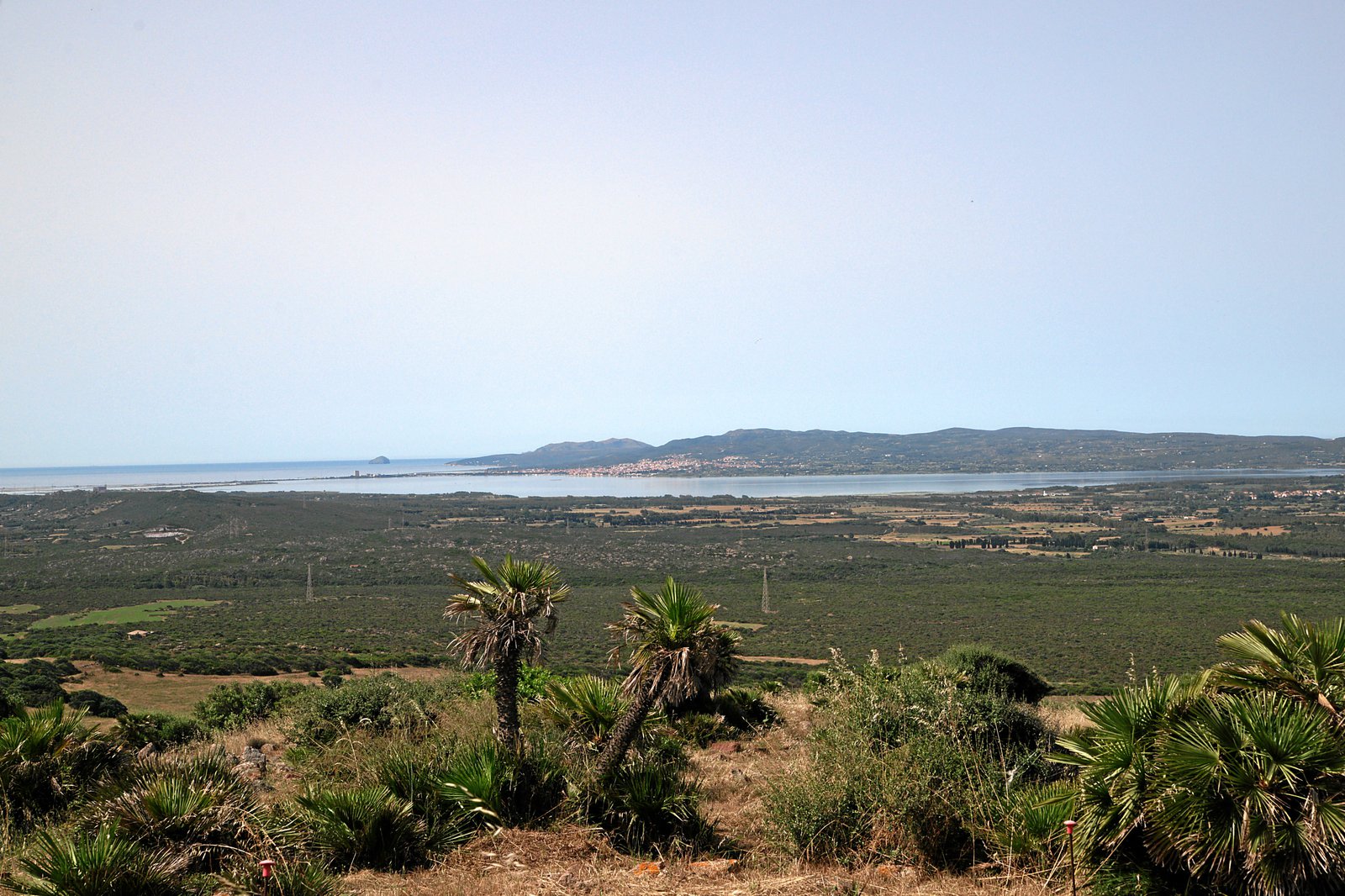
1. Understanding the Maestrale & Plateau Wind Dynamics
The defining meteorological phenomenon at Monte Sirai is wind. Because the flat-topped mesa stands alone without sheltering mountain barriers to its north-west, it acts as an aerodynamic aerofoil against the Maestrale. Originating over the Gulf of Lion and funneling down the Tyrrhenian and Sardinian corridors, the Maestrale frequently reaches gusts between 20 and 45 knots (37 to 83 km/h).
While the wind brings crystalline blue skies and sweeps away summer haze, it creates substantial wind-chill in spring, autumn, and winter. Even on sunny days in April or November, wind exposure on the northern Tophet terrace can make ambient 18°C temperatures feel closer to 11°C. Always pack a lightweight windbreaker jacket with an adjustable hood, even if the weather in downtown Carbonia feels completely calm.
2. Four-Season Guide to Visiting the Ruins
Evaluating each season helps travelers choose their ideal expedition window:
- Spring (April – June): The Gold Standard. Mild temperatures (19°C to 25°C), fresh breezes, and carpets of wild yellow chamomile, purple thistles, and pink cyclamen across the archaeological zone make spring the premier season for photography and extended walking. Daylight hours are generous, and the scent of wild rosemary and lentisk fills the air.
- Summer (July – August): Sun Precautions Strictly Required. Midday temperatures frequently exceed 36°C (97°F). The bare volcanic trachyte bedrock radiates intense heat, and there is zero natural canopy shade across the 2.4-kilometer trail circuit. Plan your visit for the immediate opening hour (10:00 to 11:30) or late afternoon (17:00 to 19:00). Carry minimum 1.5 liters of drinking water per person, wear sunglasses with UV400 filters, and apply high-SPF sunscreen.
- Autumn (September – November): Excellent Archaeological Light. The intense summer heat subsides into comfortable 21°C to 27°C days. Low golden-hour sunlight casts dramatic shadows across the drystone walls and tomb entrances, creating optimal conditions for architectural photography.
- Winter (December – March): Solitude & Drama. Daytime highs hover around 13°C to 16°C. While occasional winter rainstorms sweep in from the Atlantic, clear winter days offer crisp, crowd-free contemplation of ancient ruins, accompanied only by the calls of peregrine falcons nesting in the mesa's volcanic cliffs.
3. Recommended Packing & Layering Strategy
Given the elevation and wind profile, follow this practical gear guide:
- Spring/Autumn/Winter: Wear breathable technical base layers topped by a windproof softshell or light fleece jacket. Long hiking trousers protect legs from prickly Mediterranean maquis brush along peripheral trails.
- Summer: Wear loose, light-colored UV-protective long-sleeve shirts, a wide-brimmed sun hat with a chin strap (to prevent the Maestrale from blowing it off the cliff), and polarized sunglasses.
- Footwear: Year-round, wear closed-toe trail running shoes or lightweight hiking boots with deep rubber lug traction. Ancient trachyte stone steps leading down into hypogeic tombs can remain slick even on dry days.