Visual Postcards
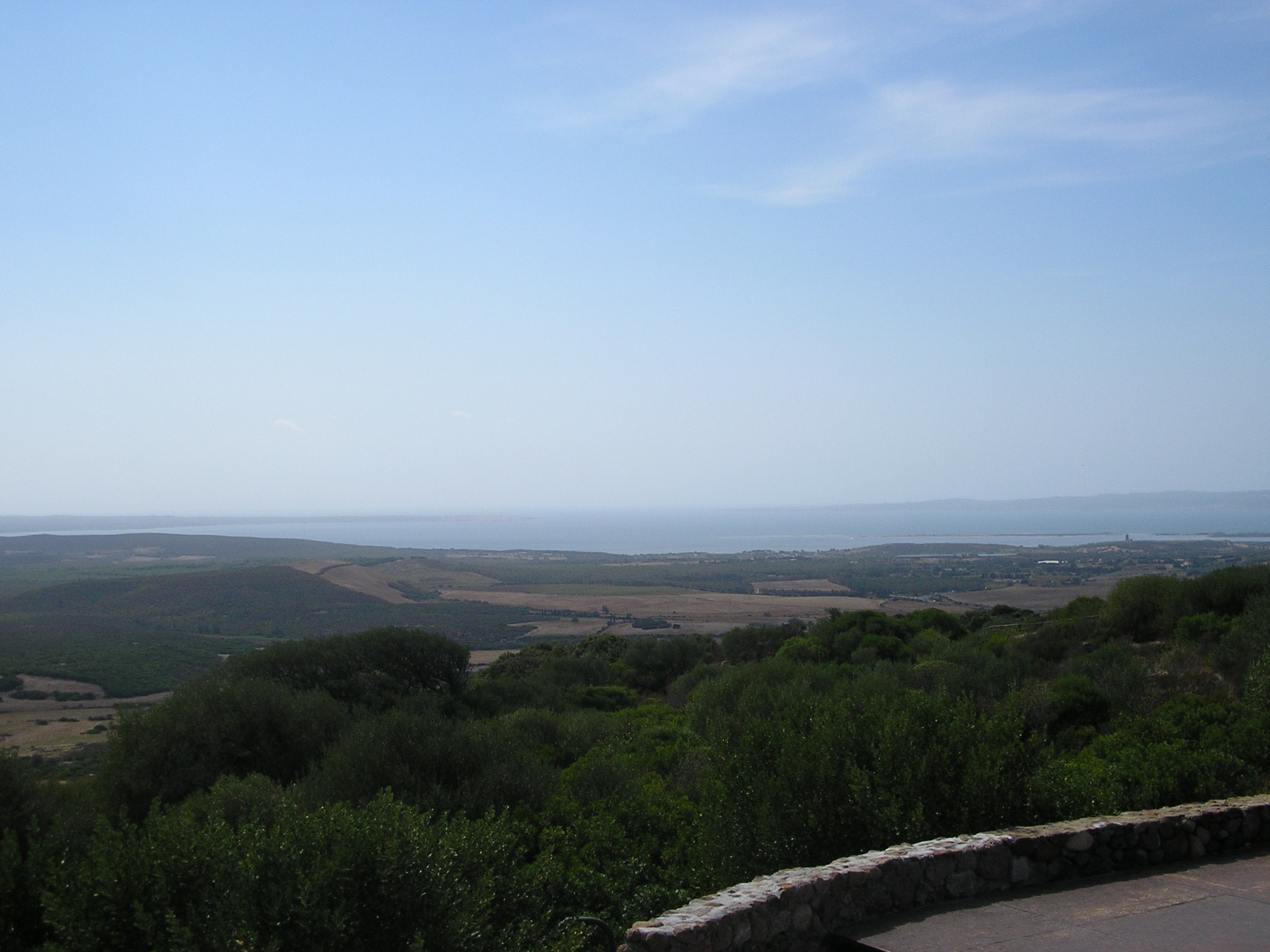
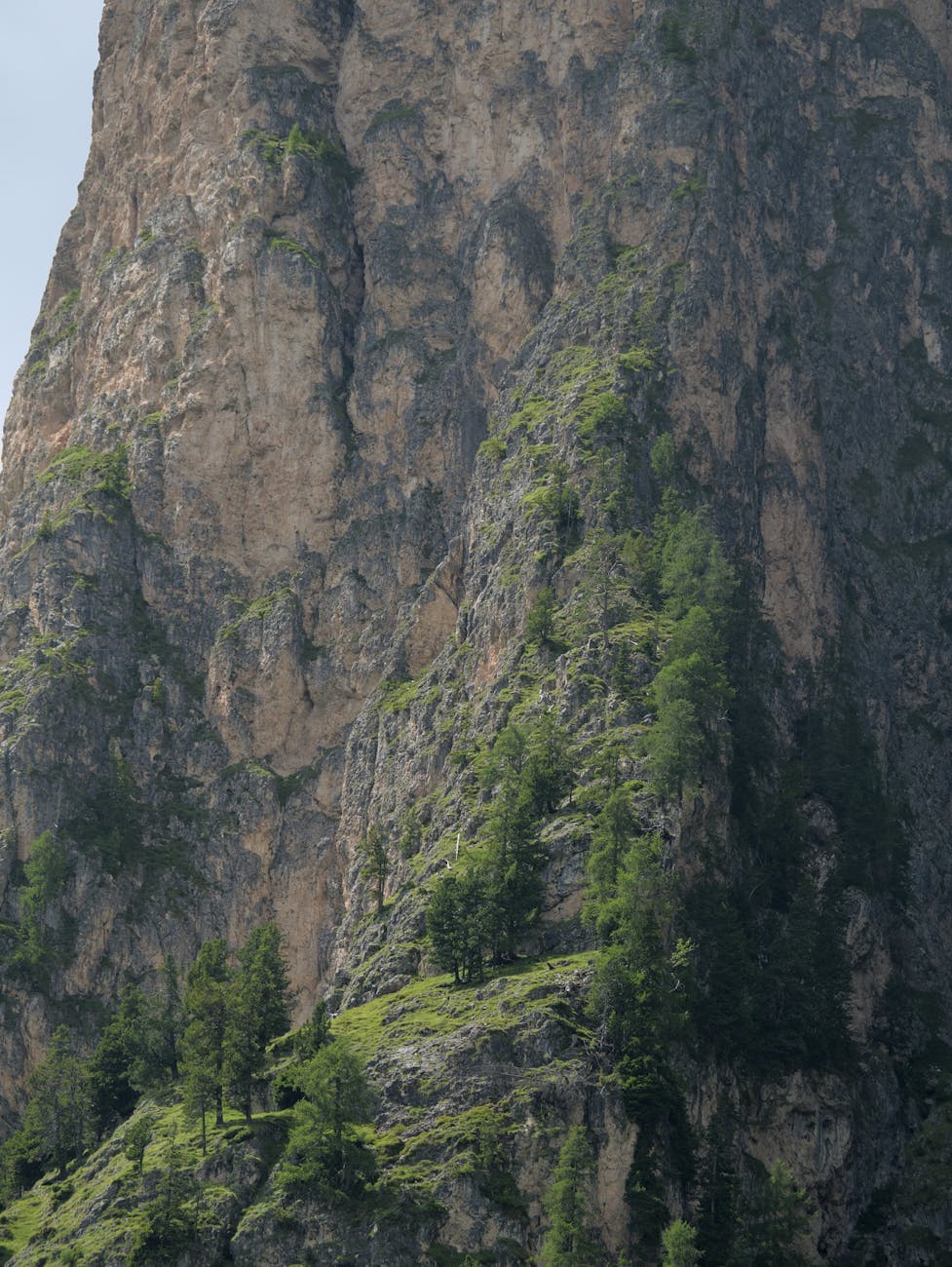
Glimpses of the historical site and surrounding natural beauty.
Welcome to the ultimate local visitor guide for Monte Sirai in the beautiful region of Sardinia. Plan your trip with detailed local insights.
Monte Sirai is a Phoenician-Punic settlement on a strategic volcanic plateau. Founded around 770 BC by settlers from Sulcis, it shows peaceful integration of Nuragic and Phoenician populations. Carthaginians conquered and rebuilt it in the late 6th century BC as a military stronghold to protect mineral trade routes. It features the Pomerium (sacred boundary), the Temple of Astarte (goddess statue now in Cagliari Museum), a Necropolis with Carthaginian hypogea carved into volcanic trachyte, and a Tophet for sacrificial rites.
Managed by Carbonia Museum System (SiMuC). Single ticket is €6.00 (~$6.54) adult, €5.00 (~$5.45) reduced. Cumulative ticket to all Carbonia museums is €10.00 (~$10.90). Summer hours are Tue-Fri 09:00 to 20:00 (continuous), Sat-Sun 09:00 to 13:00 and 16:00 to 20:00. Closed Mondays. The paths are made of sharp volcanic rock, so hiking boots are required.
Glimpses of the historical site and surrounding natural beauty.
Perched high on a strategic volcanic plateau, the ancient settlement of Monte Sirai offers a breathtaking panoramic view over Carbonia and the sea. This fortress, founded by Phoenicians and fortified by Carthaginians, represents a unique crossroads of ancient civilizations. As you explore the acropolis ruins, the temple of Astarte, and the rock-hewn tombs, you can feel the quiet strength of this historic military stronghold.
In this visitor portal, we have gathered transit details (including rail replacement shuttles), ticket rates, safety tips, and local food guides. Welcome to {poi}, where volcanic geology and ancient history merge into a stunning landscape!