1. The Viticultural Miracle: Carignano del Sulcis DOC
No culinary exploration of the Monte Sirai area is complete without understanding the extraordinary viticultural heritage of Carignano del Sulcis. Introduced to south-western Sardinia by Phoenician traders or later Aragon viticulturists, the Carignano grape found its ideal home in the warm, maritime microclimate and deep coastal sandy soils of Sulcis.
Remarkably, because the microscopic phylloxera aphid cannot survive in pure sand, many vineyards around Sant'Anna Arresi, Santadi, and Calasetta consist of ancient, ungrafted vines (*piede franco*) planted over 80 to 120 years ago. Cultivated as low, bush-trained *alberello* vines battered by sea winds, these ancient plants yield tiny harvests of deeply concentrated grapes.
In the glass, top Carignano del Sulcis wines (such as those from Cantina Santadi, Mesa, or Enrico Melis) display an intense ruby-garnet hue, complex aromas of ripe blackberries, Mediterranean myrtle (*mirto*), wild rosemary, and balsamic tobacco, backed by velvety, mature tannins. It is the definitive companion to roasted meats and aged sheep's cheeses.
2. Essential Dishes of the Sulcis Table
When dining at local trattorias in Carbonia, San Giovanni Suergiu, or Portoscuso, seek out these authentic regional specialties:
- Malloreddus alla Campidanese: Sardinia's quintessential ridged semolina pasta gnochetti, simmered with a slow-cooked ragù of fresh pork sausage, ripe tomatoes, sweet onions, and aromatic saffron threads, finished with a generous dusting of sharp grated Pecorino Sardo stagionato.
- Tonno di Corsa (Carloforte Bluefin Tuna): Harvested during the ancient spring *tonnara* along the rocky channels between San Pietro island and the mainland. Prepared as *tonno alla carlofortina* (braised in local white wine, wine vinegar, garlic, and bay leaves) or served as delicate carpaccio alongside cured *buzzonaglia* and dried *tuna bottarga*.
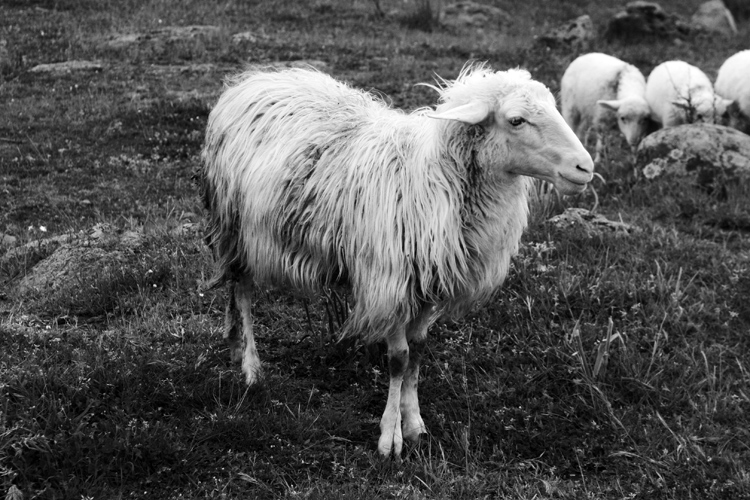
- Casu Axedu & Pecorino Sardo: Fresh, lightly curdled sheep's cheese with a refreshing, lactic acidity (*casu axedu*), served in summer salads or spread over crisp *pane carasau* flatbread drizzled with bitter strawberry tree honey (*miele di corbezzolo*).
- Panadas di Verdure e Carne: Savory baked pastry pies sealed with a decorative braided crust, filled with spiced pork loin, artichoke hearts, sun-dried tomatoes, and wild fennel seeds.
3. Practical Trattoria Dining Etiquette
Authentic dining in Carbonia and the Sulcis countryside follows classic Mediterranean pacing:
- Dining Hours: Lunch is typically served from 12:45 to 14:30; dinner service begins between 19:45 and 22:00. Kitchens in rural agriturismi close strictly between meal services.
- Agriturismo Feasts: Farmhouse restaurants (*agriturismi*) in the countryside surrounding Monte Sirai offer fixed, multi-course tasting menus (€30.00 to €40.00 per person) including house-cured antipasti, two homemade pasta dishes, spit-roasted suckling pig (*porceddu*), wine, and digestive myrtle liqueur. Weekend dinner and Sunday lunch require reservations at least 24 hours in advance.
4. Traditional Baking, Breads & Ceremonial Sweets
The baking heritage of Sulcis is deeply rooted in durum wheat semolina cultivation that dates back to the Punic and Roman agrarian breadbasket epochs. Travelers should not miss sampling authentic local breads:
- Pane Civraxu: A monumental, thick-crusted round loaf with a moist, open-crumb golden interior, baked in traditional wood-fired brick ovens in San Giovanni Suergiu. It remains fresh and flavorful for up to a week.
- Pistoccheddus & Gueffus: Delicate artisanal confections crafted for feast days. *Pistoccheddus* are glazed egg-and-lemon biscuits with ornate icing, while *gueffus* are fragrant almond-paste spheres scented with wild orange flower water and wrapped in fringed colored paper.
- Pani di Sapa: A dense, dark autumn festival bread enriched with concentrated grape must syrup (*sapa*), toasted walnuts, raisins, and orange zest, traditionally baked to celebrate the All Saints festival in early November.