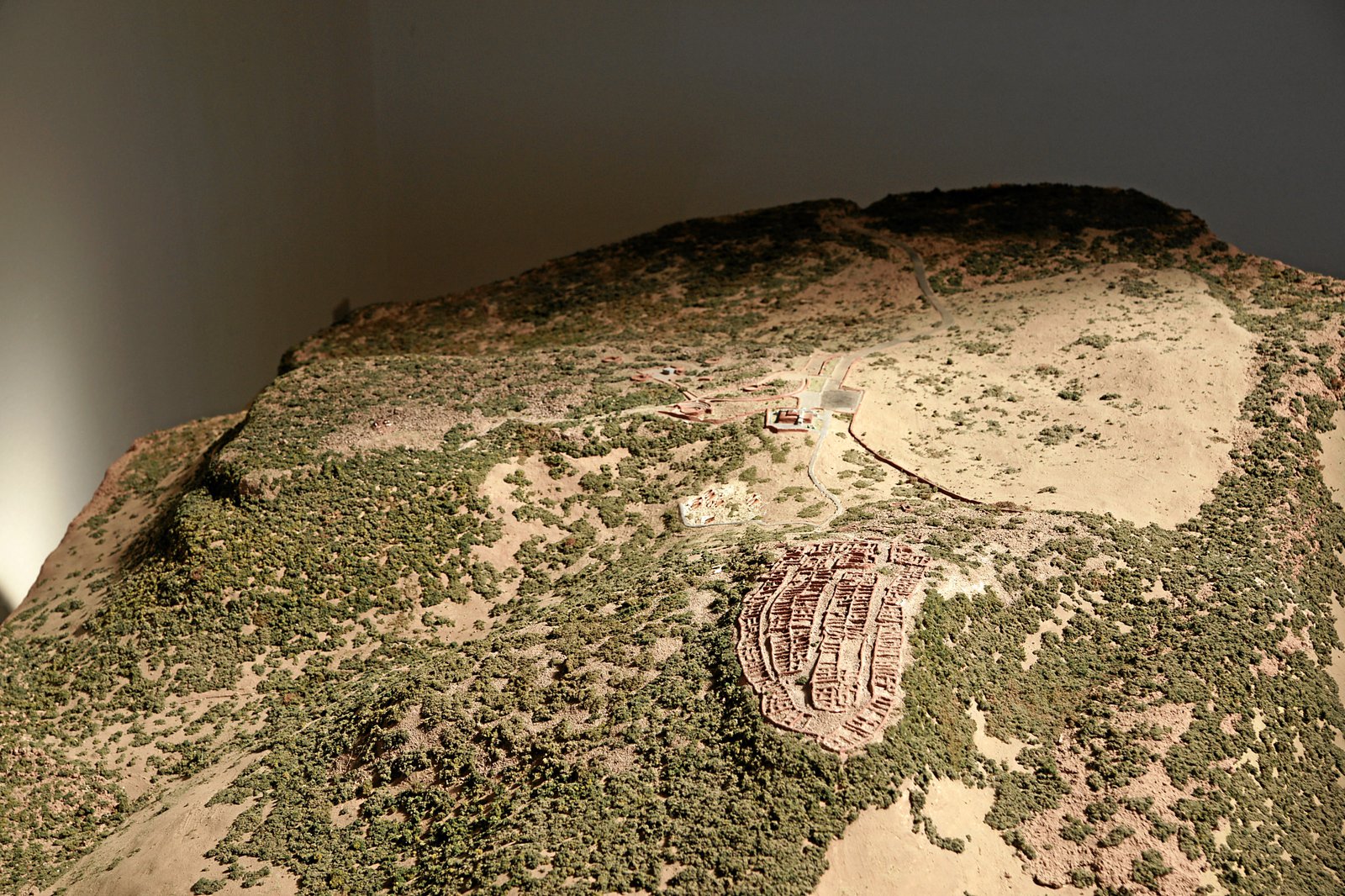
1. The Three Sacred & Civic Sectors of Monte Sirai
When touring the plateau, visitors follow a chronological and thematic circuit connecting three distinct archaeological sectors:
- Sector A: The Acropolis & Fortress (Il Mastio): Perched on the highest rocky elevation (190 meters), the citadel features defensive ramparts constructed from massive basalt and trachyte ashlar blocks. The interior contains a small temple dedicated to Astarte and Baal, administrative storehouses for grain and metals, and strategic command posts designed to withstand prolonged sieges.
- Sector B: The Domestic Quarter & Casa del Fantoccio: Stretching south of the citadel along an ancient paved street, this sector contains tightly grouped residential compounds. The remarkable Casa del Fantoccio showcases multi-roomed dwellings with private central courtyards, stone bread ovens, plastered water cisterns, and internal storage bins.
- Sector C: The Hypogeic Necropolis: Cut into the eastern hillside bedrock, fourteen monumental family tombs feature subterranean chambers accessed by steep rock-cut stairs (*dromos*). In Tomb 5, visitors can view the famous central support pillar with the sacred inverted symbol of Tanit carved into its trachyte face.
- Sector D: The Mountain Tophet: An open-air sacred precinct situated on an isolated northern outcrop, where ceramic urns containing cremated infant remains and sacrificial animal offerings were interred beneath carved sandstone stelae.
2. Essential Nearby Heritage Sites in the Sulcis Basin
A morning visit to Monte Sirai naturally pairs with the rich archaeological and industrial monuments of the surrounding Sulcis territory:
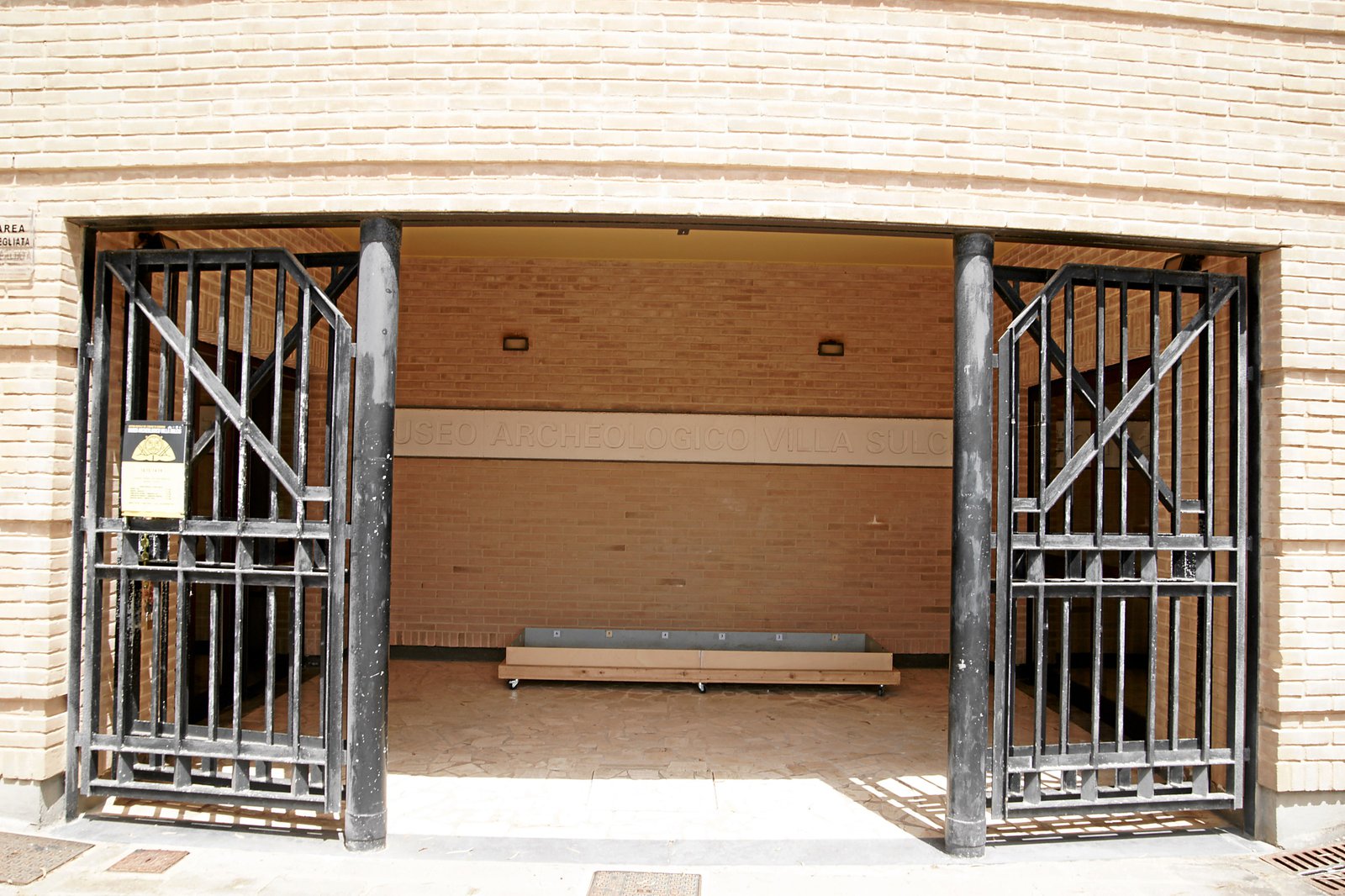
- Museo Archeologico Villa Sulcis (Carbonia, 6 km): Set inside the historic estate of the former mining directorate, this first-rate museum preserves the grave goods discovered in Monte Sirai's tombs: imported Attic black-glazed pottery, intricate Punic gold filigree jewelry, scarab seals carved from green jasper, and bronze oil lamps.
- Grande Miniera di Serbariu (Carbonia, 5 km): One of Europe's most significant industrial archaeology landmarks, this restored 1930s coal mine features towering steel pithead gantries, the central engine hall, and subterranean tunnel tours led by veteran miners.
- Sant'Antioco Island & Ancient Sulky (18 km): Connected to the mainland by a paved causeway, Sant'Antioco was the mother colony that founded Monte Sirai. Explore the vast seaside Tophet, the catacombs beneath the Basilica of Sant'Antioco Martire, and the Byssus textile museum of master weaver Chiara Vigo.
- Tratalias Old Village & Romanesque Cathedral (15 km): An atmospheric, partially abandoned medieval village clustered around the stunning 13th-century Pisan Romanesque Cathedral of Santa Maria di Monserrato.
3. Recommended One-Day Sulcis Cultural Itinerary
To experience the full cultural continuum of south-western Sardinia from antiquity to modernity, travelers should combine Monte Sirai with its regional counterparts in a structured daylight circuit:
Morning (09:30 – 12:00): Monte Sirai Plateau. Arrive early while temperatures remain mild. Explore the Acropolis ramparts, examine the rock-cut dromos entrances of the Punic necropolis, and visit the high mountain Tophet. Take in the sweeping views of Sant'Antioco island across the Palmas gulf.
Midday (12:30 – 15:00): Carbonia Gastronomy & Villa Sulcis Museum. Descend 6 kilometers into Carbonia. Enjoy a leisurely lunch featuring Carignano del Sulcis wine and traditional malloreddus pasta at an authentic local trattoria. Afterwards, visit the air-conditioned galleries of Museo Archeologico Villa Sulcis to view the gold jewelry, Phoenician amulets, and Tanit stelae retrieved from the very ruins you walked that morning.
Afternoon (15:30 – 18:00): Grande Miniera di Serbariu. Conclude the afternoon at the historic coal mining complex on the southern edge of Carbonia, taking the guided underground shaft tour to understand the industrial transformation that shaped modern south-western Sardinia.