1. Operating Hours, Seasons & SiMuC Ticket Structures
The park is managed by the municipal museum authority of Carbonia (SiMuC) and observes the following seasonal schedule:
- Summer Schedule (June 1 – September 30): Open Tuesday through Sunday from 10:00 to 19:00. The final admission ticket is issued at 18:00, allowing visitors 60 minutes before gates close.
- Winter / Spring Schedule (October 1 – May 31): Open Tuesday through Sunday from 10:00 to 17:00. Last admission is at 16:00.
- Monday Closures: The park remains strictly closed on Mondays throughout the entire year, with the single exception of Easter Monday (*Pasquetta*).
Admission Tariffs (2026):
- Single Park Ticket: €6.00 for adults; €4.00 reduced (seniors over 65, university students with valid ID, children aged 6–14); free for children under 6 and visitors with certified disabilities.
- SiMuC Combined Two-Site Pass: €10.00 (reduced €7.00). Grants entry to Monte Sirai and the Museo Archeologico Villa Sulcis in Carbonia within 3 consecutive days. This is the recommended choice for travelers seeking to view the actual grave goods and stelae.
- SiMuC Full Circuit Pass: €15.00 (reduced €10.00). Covers Monte Sirai, Villa Sulcis, and the subterranean gallery tour of the Grande Miniera di Serbariu.
2. Trail Safety, Footwear & Environmental Precautions
Because Monte Sirai preserves authentic archaeological remains without modern concrete boardwalks, visitors must exercise reasonable care when traversing the plateau:
- Footwear Requirements: Flip-flops, smooth-soled fashion sneakers, and high heels are hazardous on the mesa. Ancient bedrock surfaces are polished and slippery, while outdoor paths consist of loose volcanic gravel. Sturdy trail running shoes or light hiking shoes with textured rubber soles are strongly recommended.
- Hydration & Heat Management: There are no beverage kiosks or vending machines once you pass through the ticket gate onto the plateau circuit. Temperatures between mid-June and late August frequently exceed 36°C (97°F) on the bare volcanic rock. Bring a minimum of 1.5 liters of fresh water per person, replenish at the visitor pavilion fountain before hiking, and apply broad-spectrum SPF 50 sunscreen.
- Descending into Hypogeic Tombs: Several monumental Punic tombs (including Tomb 5) can be entered via their ancient stepped *dromos* corridors. Take extreme care when stepping downward: ancient stone steps are uneven in height and can be damp. Use your smartphone flashlight or a small pocket torch to examine the rock-cut Tanit reliefs safely.
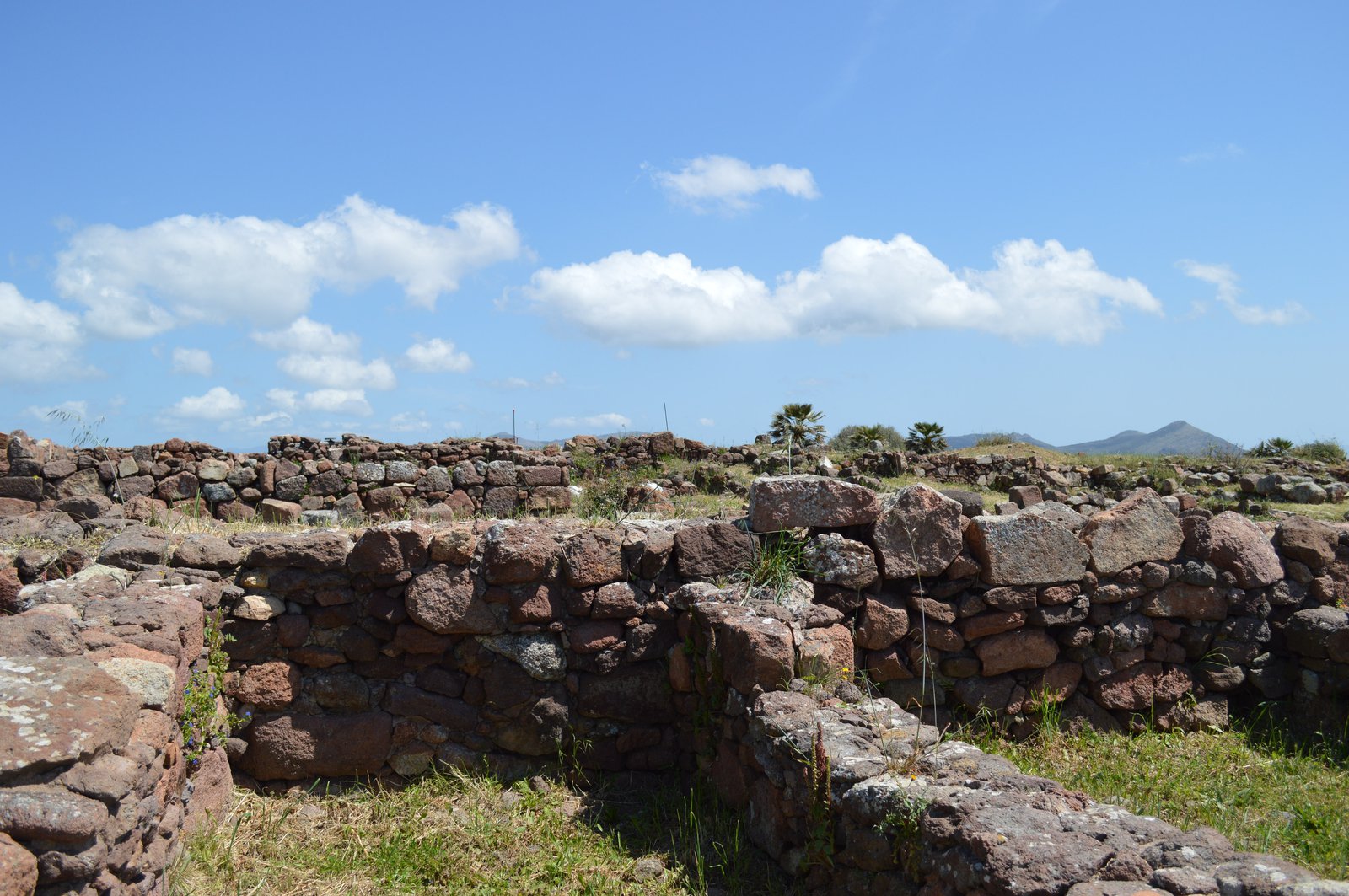
- Cliffs & Plateau Edges: While primary paths remain well back from the sheer volcanic cliffs, keep children closely supervised at all times. Do not climb atop excavated trachyte drystone walls, as doing so damages ancient 2,400-year-old masonry and risks serious falls.
3. Guidelines for Visiting with Children, Dogs & Photography Gear
Exploring Monte Sirai with family members or companion animals is rewarding, provided visitors respect the archaeological park's environmental and safety guidelines:
- Visiting with Children: The vast open plateau offers an engaging outdoor history classroom, but parents must maintain active vigilance. Excavation trenches, cistern openings, and underground tomb shafts are protected by rope barriers or low stone borders; children must not run on loose gravel paths or climb upon ancient stone wall foundations.
- Visiting with Dogs: Dogs are welcome across the outdoor plateau trails, provided they remain on a non-retractable leash (maximum length 1.5 meters) at all times. Owners are legally required to carry water for their pets and collect all waste. Dogs are not permitted inside the subterranean hypogeic tombs or the indoor exhibition rooms of Villa Sulcis.
- Photography & Drones: Non-commercial still photography and handheld video recording are permitted throughout the park. The use of tripods inside tomb chambers requires care to avoid damaging fragile bedrock surfaces. Commercial filming and the operation of aerial drones (UAVs) are strictly regulated by the Soprintendenza Archeologica and ENAC; unauthorized drone flights over the archaeological zone are prohibited by Italian cultural heritage laws.